ALASKA · INSIDE PASSAGE
Ketchikan:
The Complete Port Day Guide
Everything you need for an unforgettable day ashore, from someone who was there.
Ketchikan at a glance
Most passengers don’t realize until they’re on the ferry that Ketchikan is an island. Alaska Airlines lands you on one side of the Tongass Narrows and the town is on the other. That short crossing is your first introduction to how Ketchikan works: quietly unexpected, and already doing something the brochure didn’t mention. On a good morning you might spot a humpback between the ferry and the dock. It happened in front of us once. The ship was already in, passengers were assembling for tours, and there it was between the hull and the pier, unbothered.
Ketchikan is the rainiest city in Alaska and the locals have long since stopped noticing. The season runs late April through late October, and the rain is simply part of the landscape. The town has adapted around it in ways that quietly impress, and so will you, once you know what to bring and where to go.
Ships dock at one of three berths along the downtown waterfront. From the top of the ramp you are already in town. The shops start immediately. The smell of chowder finds you before you’ve made a decision about where to go.
A note before we start. Some links on this page are affiliate links. If you book or buy through them we earn a small commission at no extra cost to you. Every recommendation here is based on real experience onboard and ashore.
The Excursions worth your time
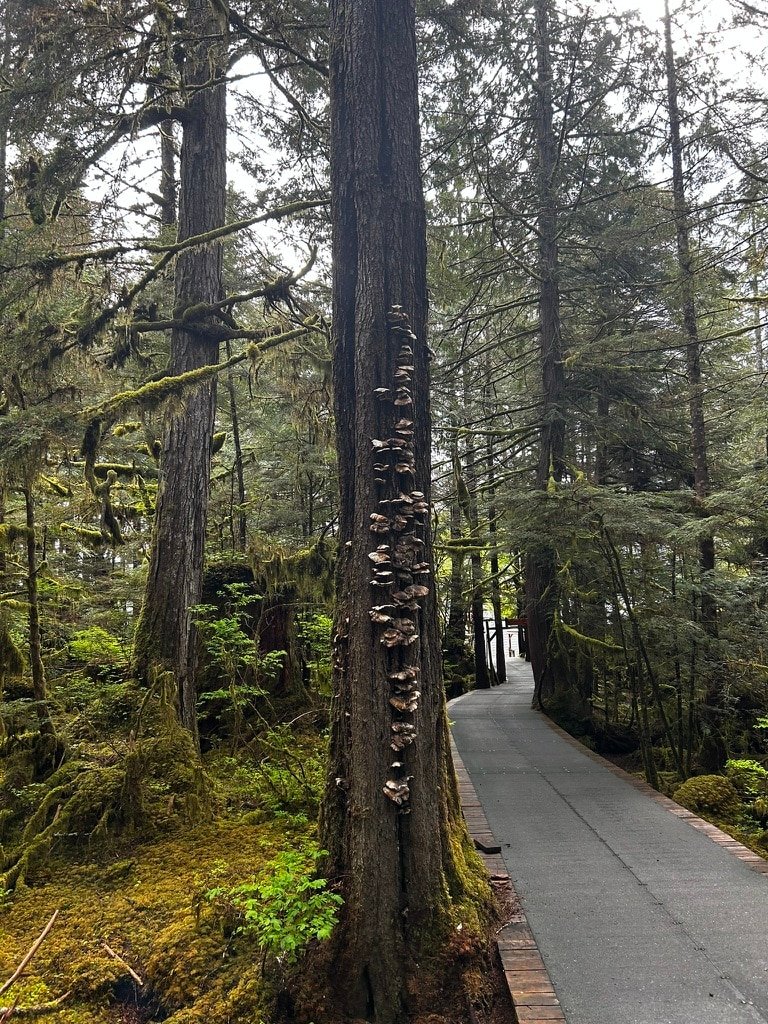
Ketchikan is the rainforest port. If your itinerary includes Juneau and Skagway, save the glacier experience for there and use Ketchikan for what it does unlike anywhere else on the route. The Tongass National Forest is the largest temperate rainforest in the world, and spending your port day inside it (whether on the water, from the air, or on foot) is a different experience from anything else on an Inside Passage itinerary.
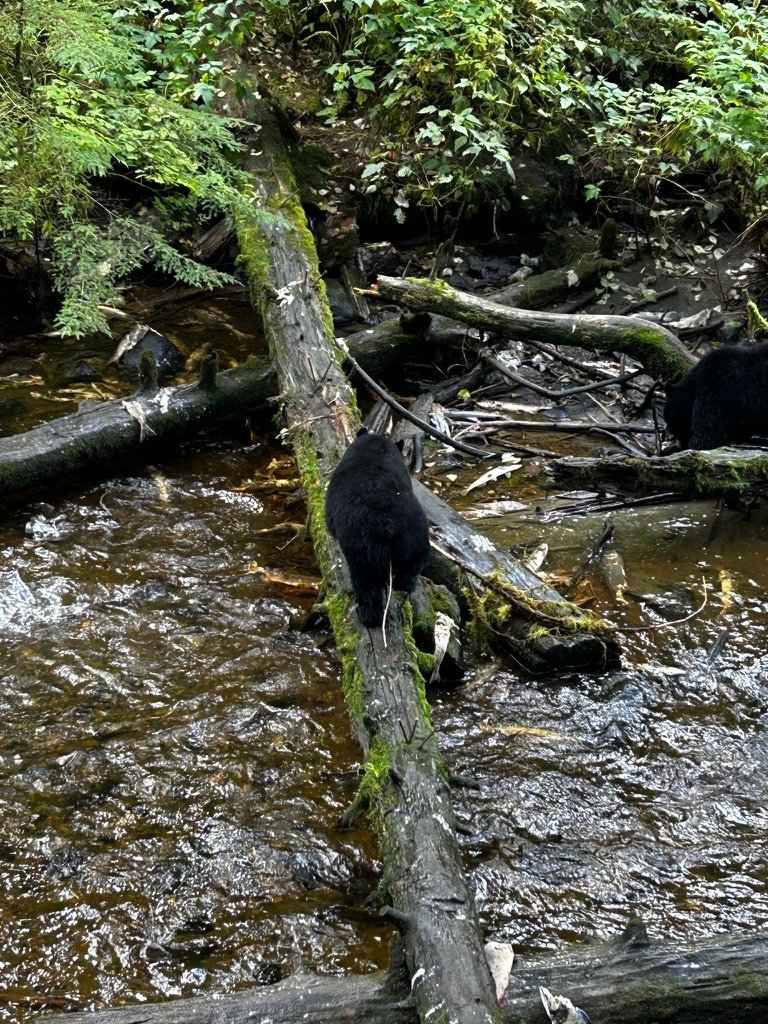
One thing worth knowing before you book: the best of Ketchikan’s wildlife depends heavily on the salmon run. When the salmon arrive in late summer, the bears follow, the orcas appear in the narrows, and the whole port shifts into a second season entirely. Earlier in the year it’s a different place. Knowing which one you’re arriving into changes how you plan your day considerably.
The full shore excursions guide for Ketchikan →
What to bring for Ketchikan
Ketchikan will test whatever you’re wearing within the first hour. The rain here isn’t dramatic, it’s persistent, and it has a way of finding the gaps in gear that almost works. A waterproof outer layer that actually keeps water out, grip-soled shoes for the wet boardwalks, and a base layer you can adjust when it clears are the three things that separate a comfortable day from an unpleasant one.
If you forget something, the shops off the pier carry genuine rain gear. It’s good to know it’s there. It’s a better day when you’ve already sorted it before you arrived.
The complete Ketchikan packing guide →
A day in Ketchikan on your own
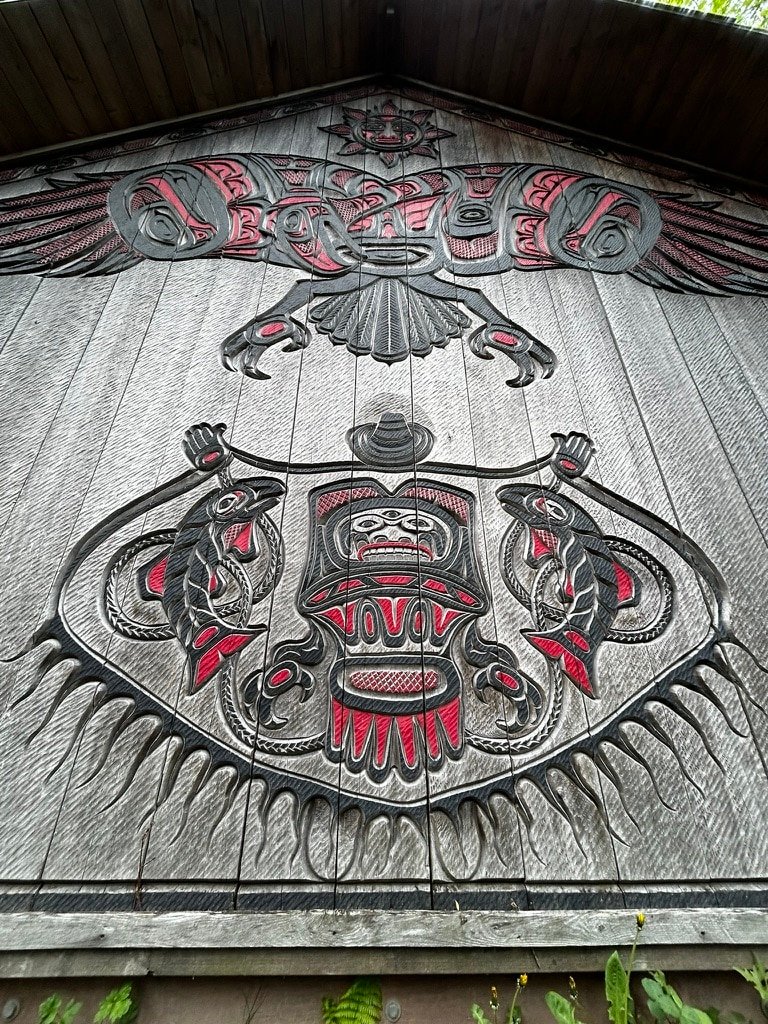
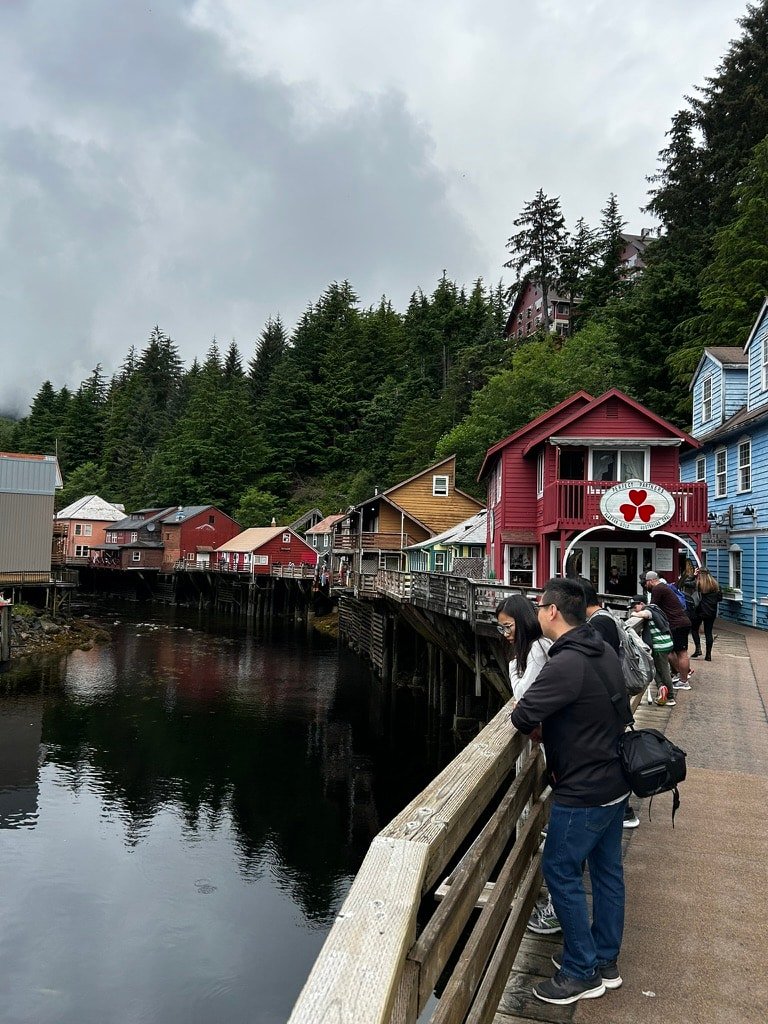
You don’t need a booked tour to have a full day here. The waterfront is walkable, the town compact, and Ketchikan has enough character in a few square blocks to fill a port day without a schedule. Creek Street alone (a historic boardwalk above the creek, lined with locally made goods shaped by Tlingit and Haida tradition) is worth an unhurried hour. The totem parks nearby offer something that photographs poorly but stays with you long after the ship has left.
The food is genuinely good and it starts early. Chowder, salmon, crab, halibut. Most of it within a short walk of the pier, some of it caught that morning.
View full guide →
Ketchikan Expectations: If you don't ask, they won't tell
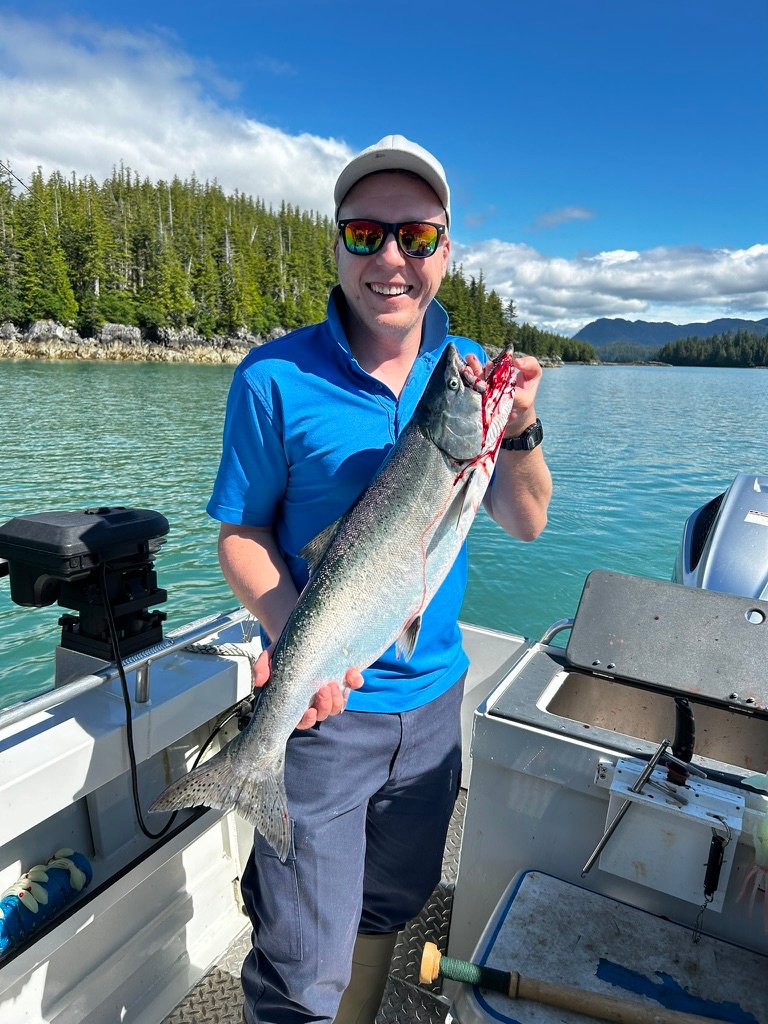
Is fishing worth doing in Ketchikan? Yes, but you need a licence. Easy to get online before you arrive or through the operator on the day. Most passengers assume it’s complicated. It takes five minutes.
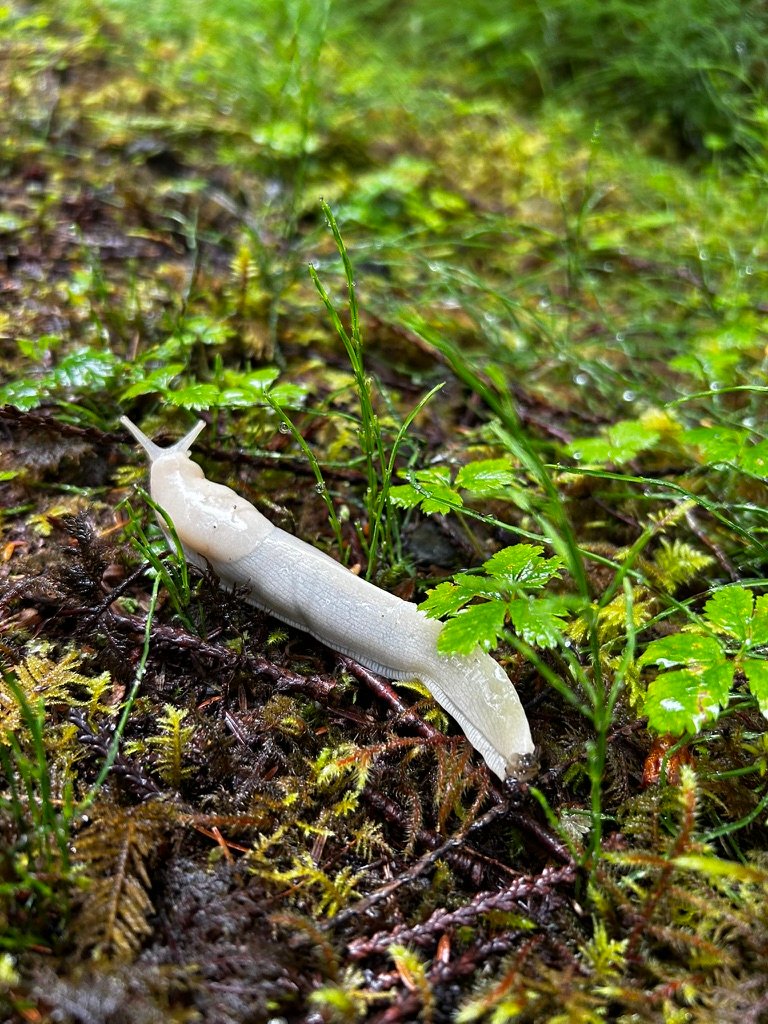
What exactly is a banana slug? Larger than you expect, slower than seems possible, and native to the forest floor. It has its own refrigerator magnet. It is genuinely one of the better souvenirs this port produces.
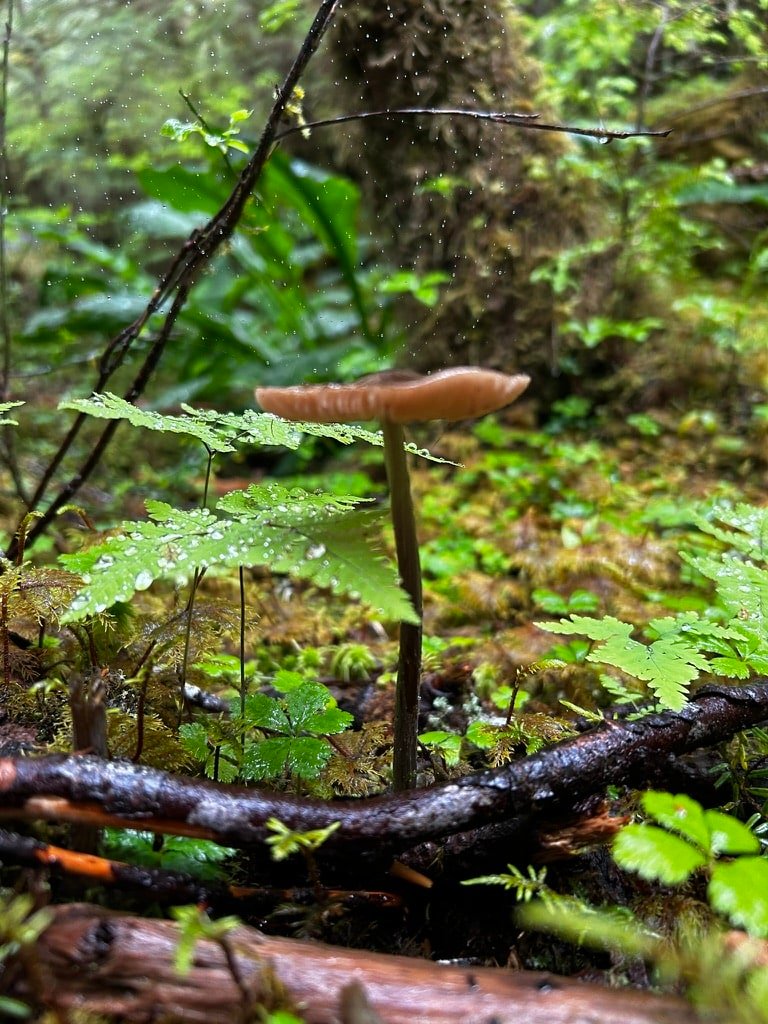
Why does the forest smell strange in late season? The bears eat only the liver and eggs of the salmon. What remains goes back to the forest floor. It feeds the soil. The smell is exactly what you’d imagine and nobody warns you about it.
Any honest logistics the itinerary doesn’t mention? Coffee near the pier is harder to find early in the morning than a port this size should allow. The Lumberjack Show doesn’t provide transfers. It’s a walkable distance, but in Ketchikan an unprepared walk in the rain is a cold one.